Fishing the world, one water at a time
Our Australian directory is the heart of this site. These pages extend the same format overseas — what swims there, when it fires, how to get on the water, and the official authority to check before you fish. Five countries and counting.
United States
From Florida flats to Alaskan salmon rivers, with state-by-state licence links for every destination.
Canada
Pacific salmon coasts, Atlantic salmon rivers and the trophy lake fisheries of the north.
New Zealand
Snapper and kingfish in the north, trout and blue cod in the south — no saltwater licence needed.
United Kingdom
Bass on lures in the south west, Highland salmon rivers and wild Hebridean sea fishing.
Ireland
Mayfly trout on the great limestone loughs, Atlantic bass and Europe's least-pressured coasts.
Prefer home water? Browse the Australian location directory.
United States
The Florida Keys
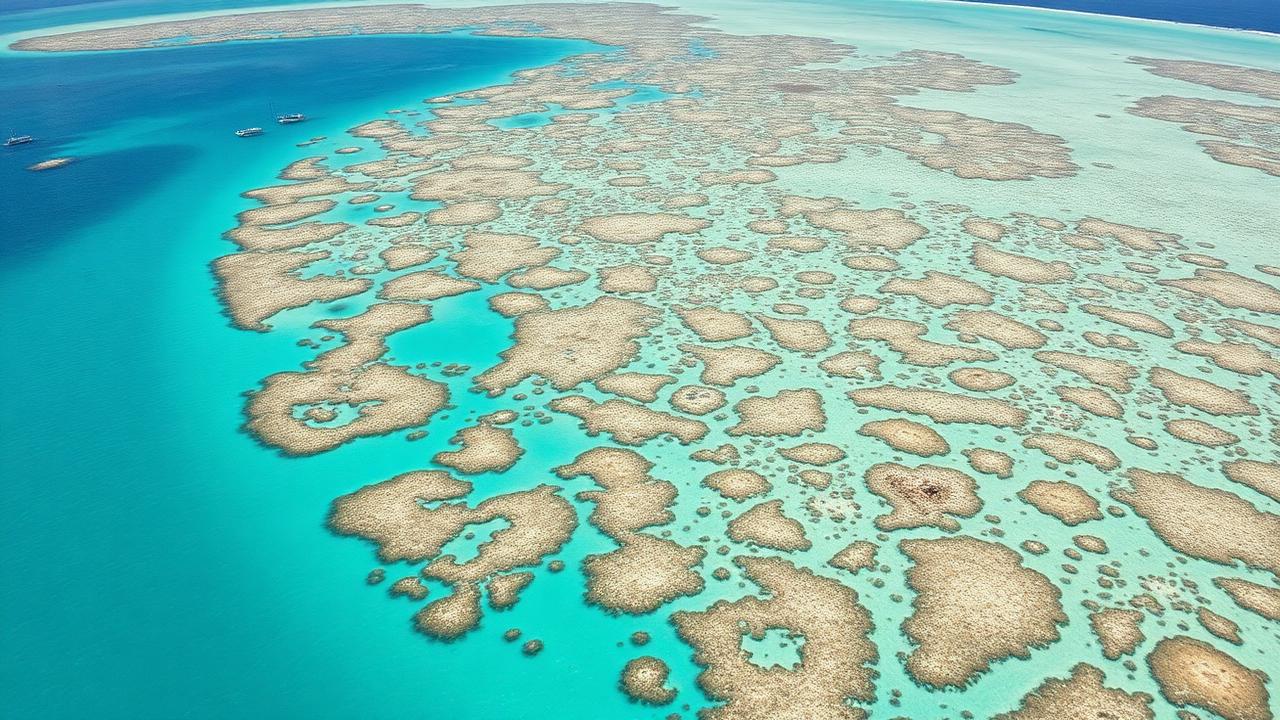
A 120-mile chain separating shallow backcountry flats from the Gulf Stream. The same day can offer sight-fished permit on a hard-bottom flat, yellowtail snapper over patch reef and mahi in blue water a few miles offshore.
Everglades National Park (Flamingo)
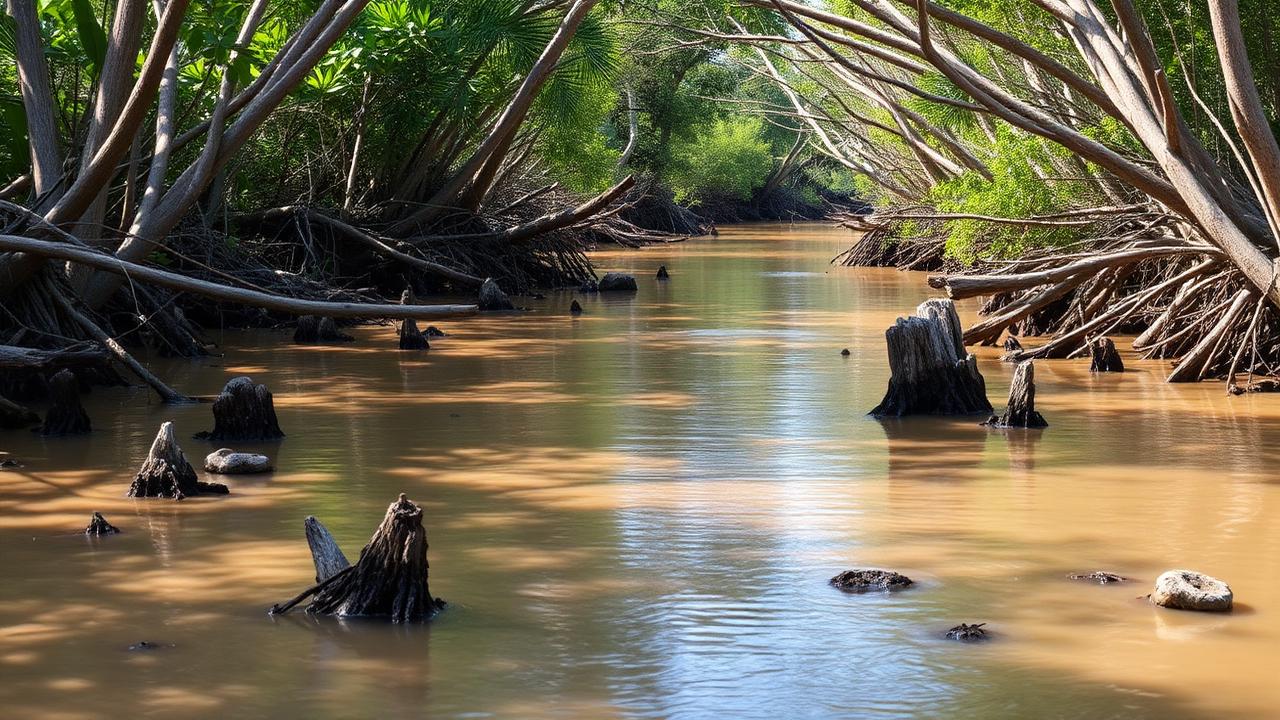
Thousands of mangrove islands, creeks and shallow bays inside a national park. Fish hold hard against root systems and points, and the fishery rewards anglers who read water rather than chase spots.
Tampa Bay
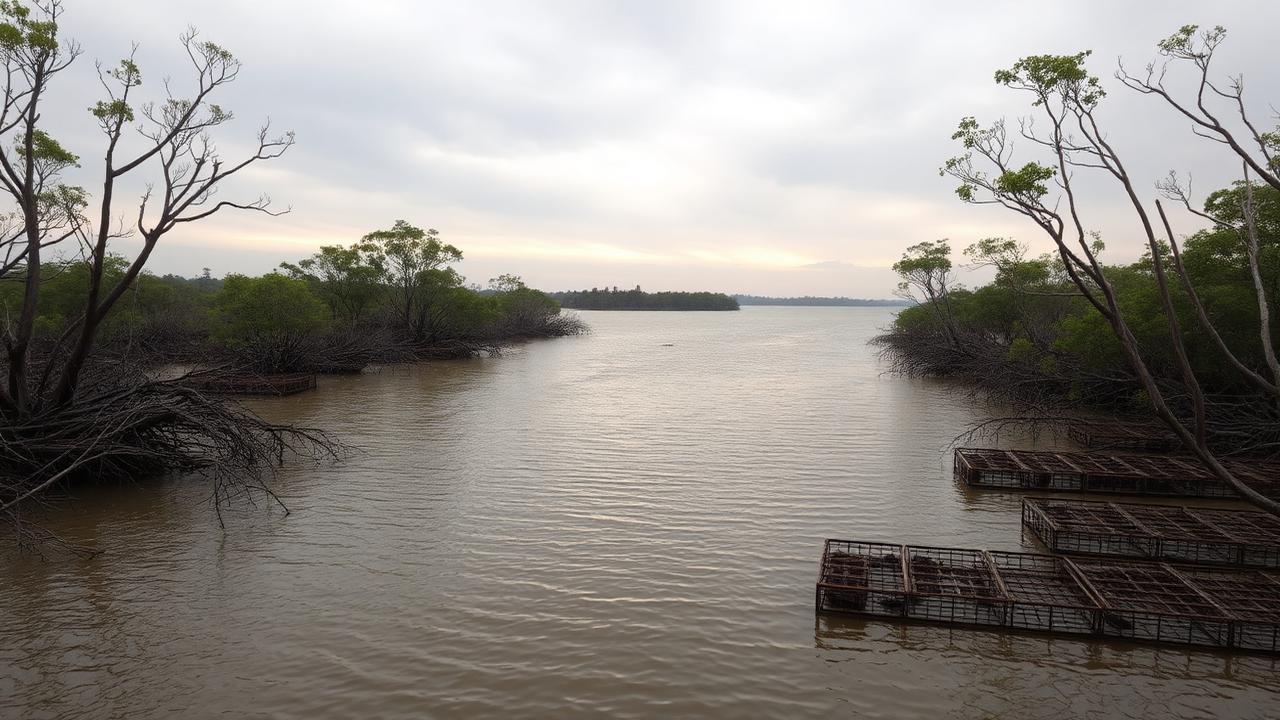
Florida's largest open-water estuary, with turtle grass flats, oyster bars, residential docks and bridge structure all within a short run. It is one of the most accessible inshore fisheries in the country.
Venice, Louisiana
Where the Mississippi meets the Gulf. Marsh ponds hold bull redfish and speckled trout, while deepwater oil platforms within reach of the pass hold yellowtail-class tuna and amberjack.
Lower Laguna Madre
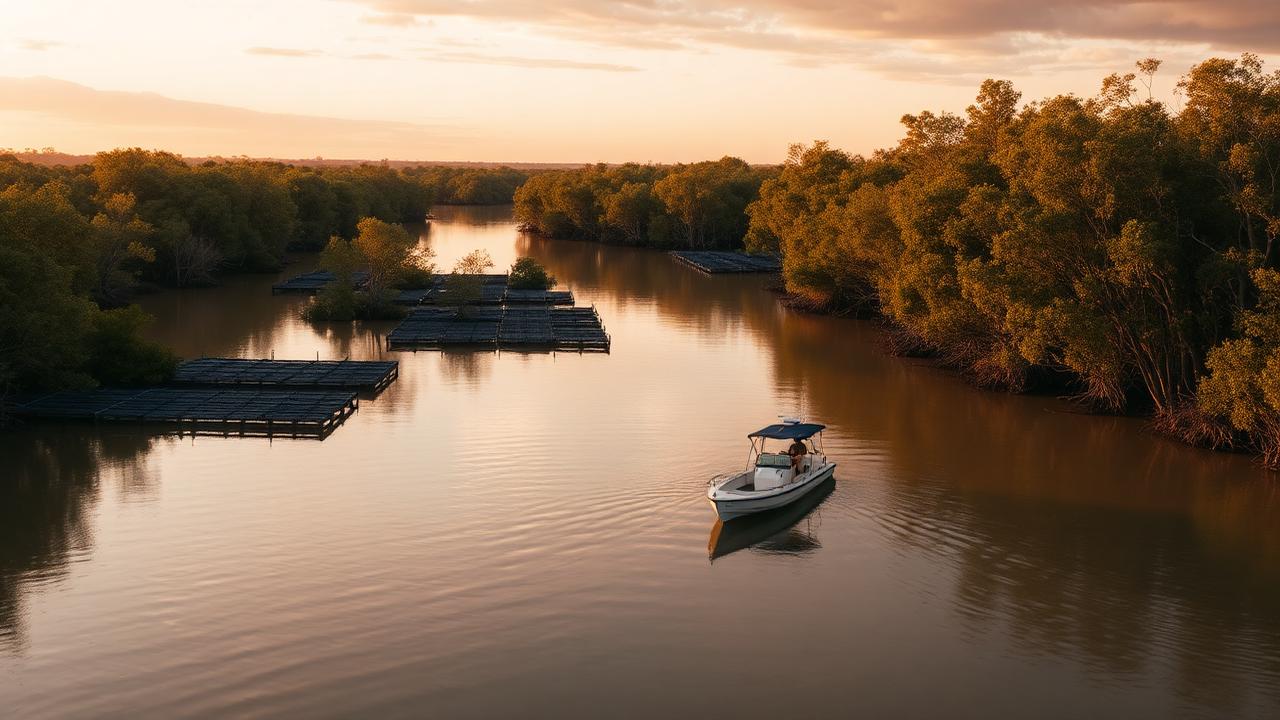
One of only a handful of hypersaline lagoons on earth, with clear water over sand and grass that makes it a sight-fishing fishery first and a bait fishery second.
The Outer Banks
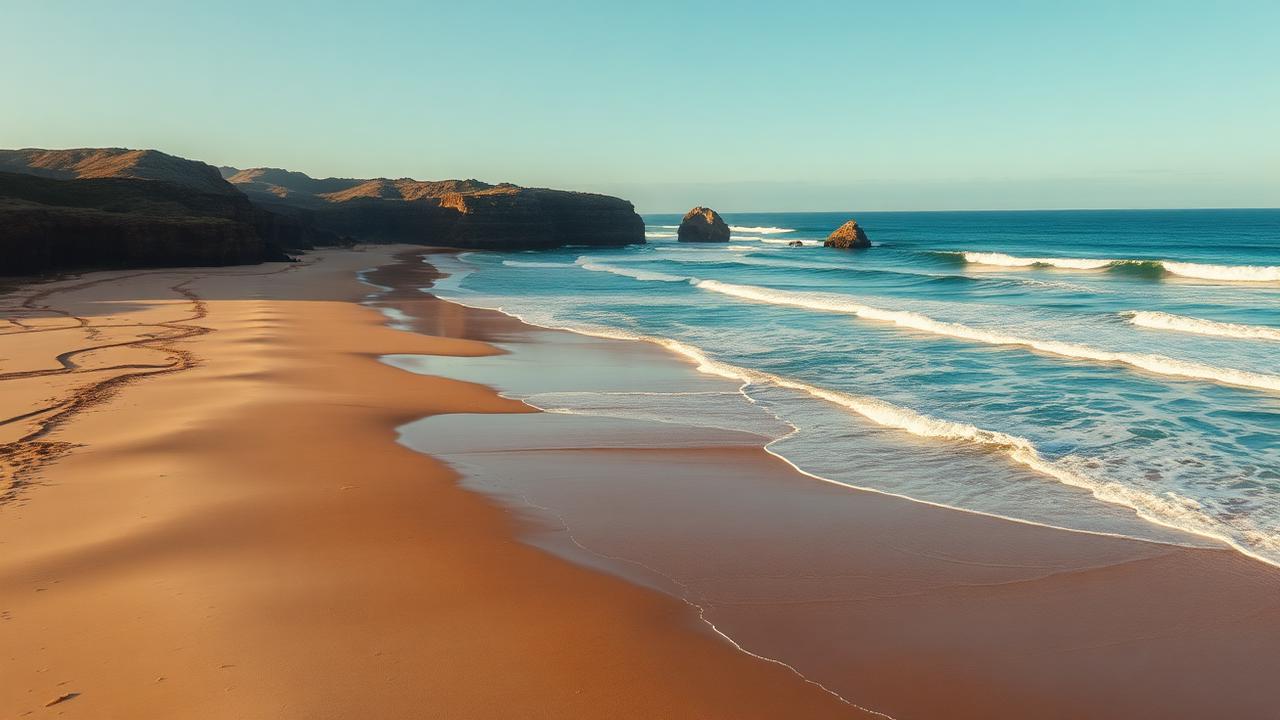
A barrier island chain where the Gulf Stream swings unusually close to shore. Surf casters chase big red drum from the sand while offshore boats reach billfish and giant bluefin within a short run.
Chesapeake Bay
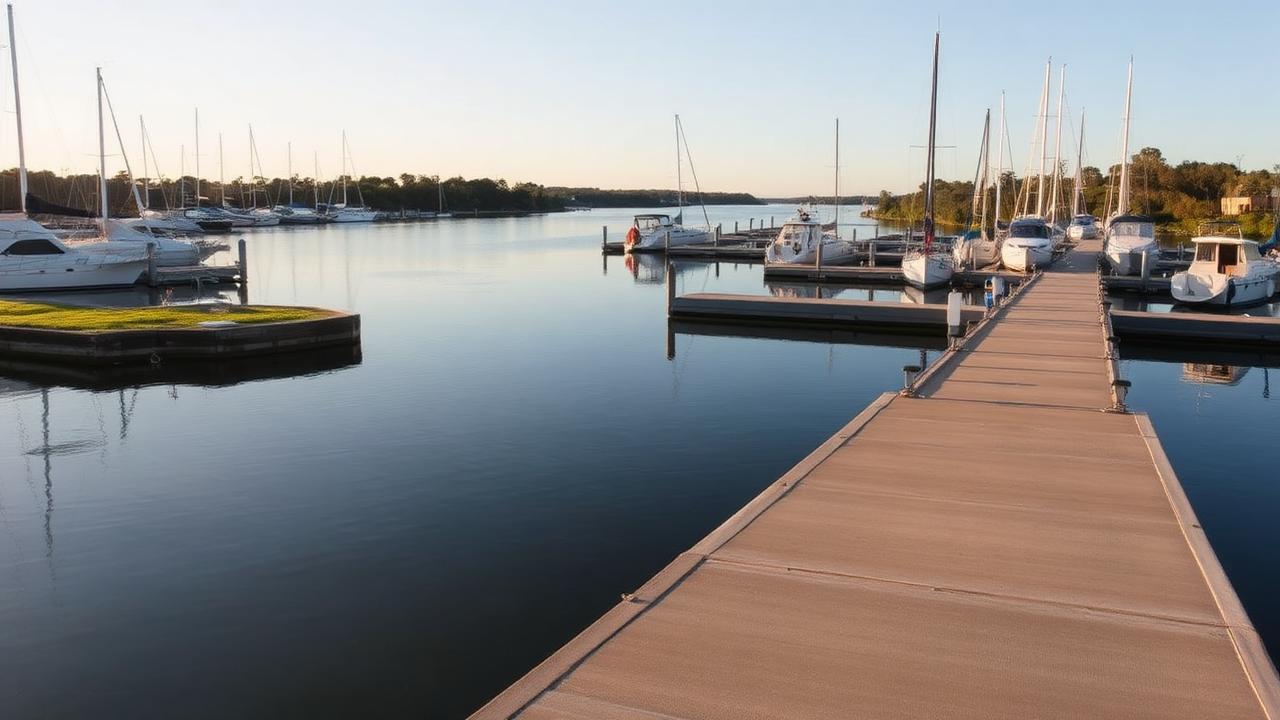
The largest estuary in the United States, with 11,000 miles of shoreline. Striped bass are the headline fish, supported by a seasonal mix of bluefish, mackerel, croaker and crabs.
Montauk
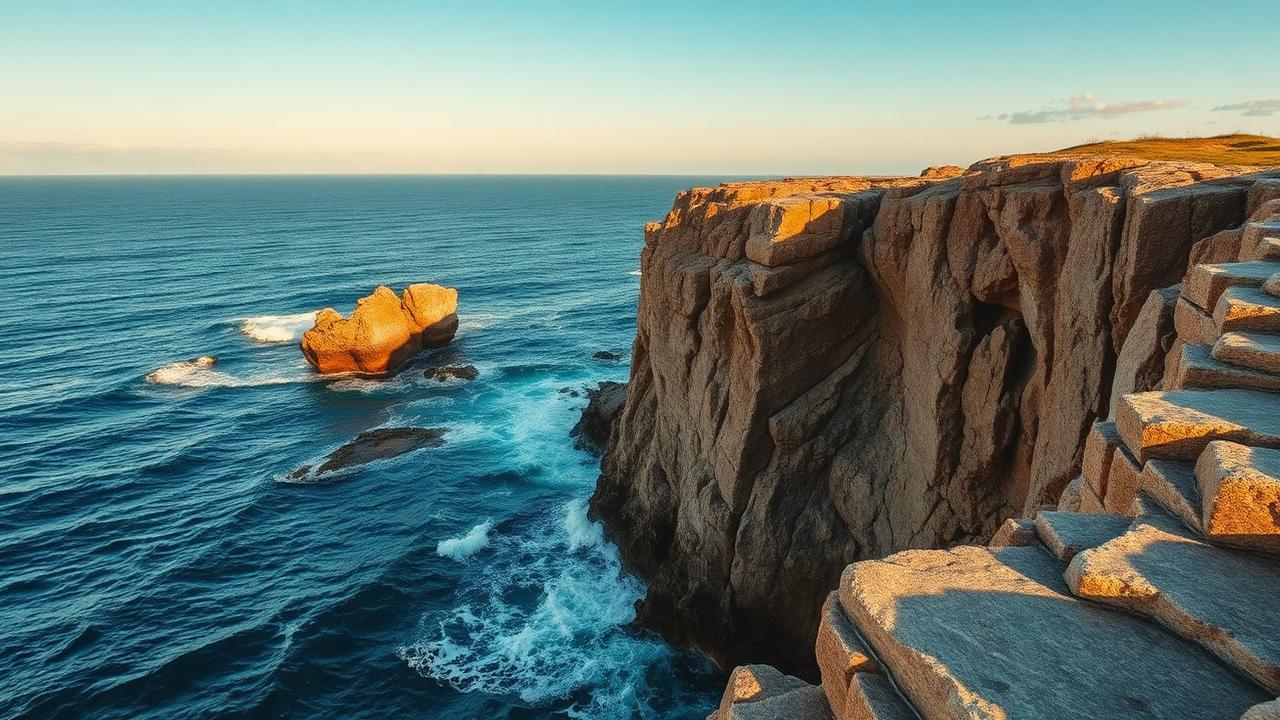
The eastern tip of Long Island, where tidal rips over boulder fields create one of the most concentrated striped bass fisheries on the Atlantic coast, especially during the autumn bait run.
Cape Cod
A summer striped bass stronghold with genuinely elite shore fishing along the canal, sight-casting on Brewster flats and giant bluefin tuna feeding on sand eels offshore.
Kenai River
The most famous salmon river in Alaska, running turquoise from glacial silt. Sockeye runs draw crowds to the bank, while autumn brings big rainbow trout feeding behind spawning salmon.
Sitka
Southeast Alaska at its most productive, with king and coho salmon trolled along the outer coast and halibut and lingcod holding on rocky structure inside the islands.
Columbia River
The largest river on the west coast of North America, with salmon and steelhead runs that define the region's fishing calendar and a catch-and-release sturgeon fishery holding genuinely enormous fish.
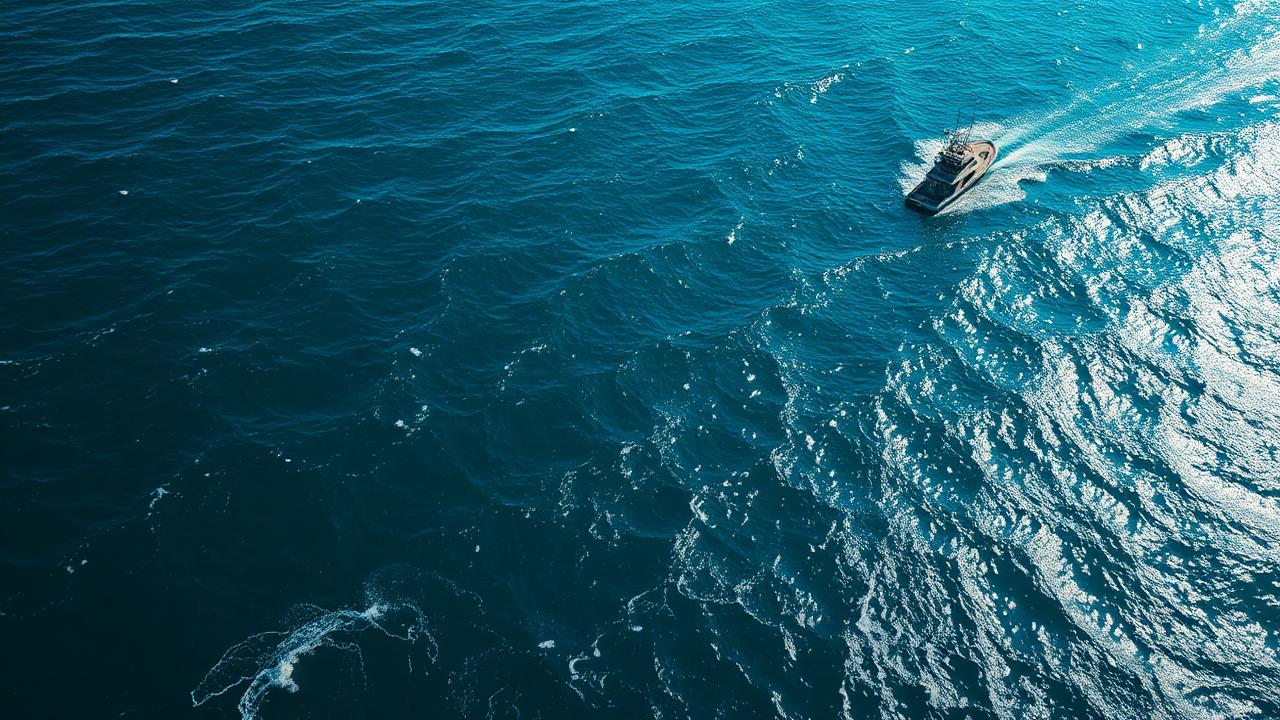
Puget Sound
Protected saltwater within sight of a major city, where beach anglers cast for coho and sea-run cutthroat while boats jig lingcod on rocky structure and drop pots for Dungeness crab.
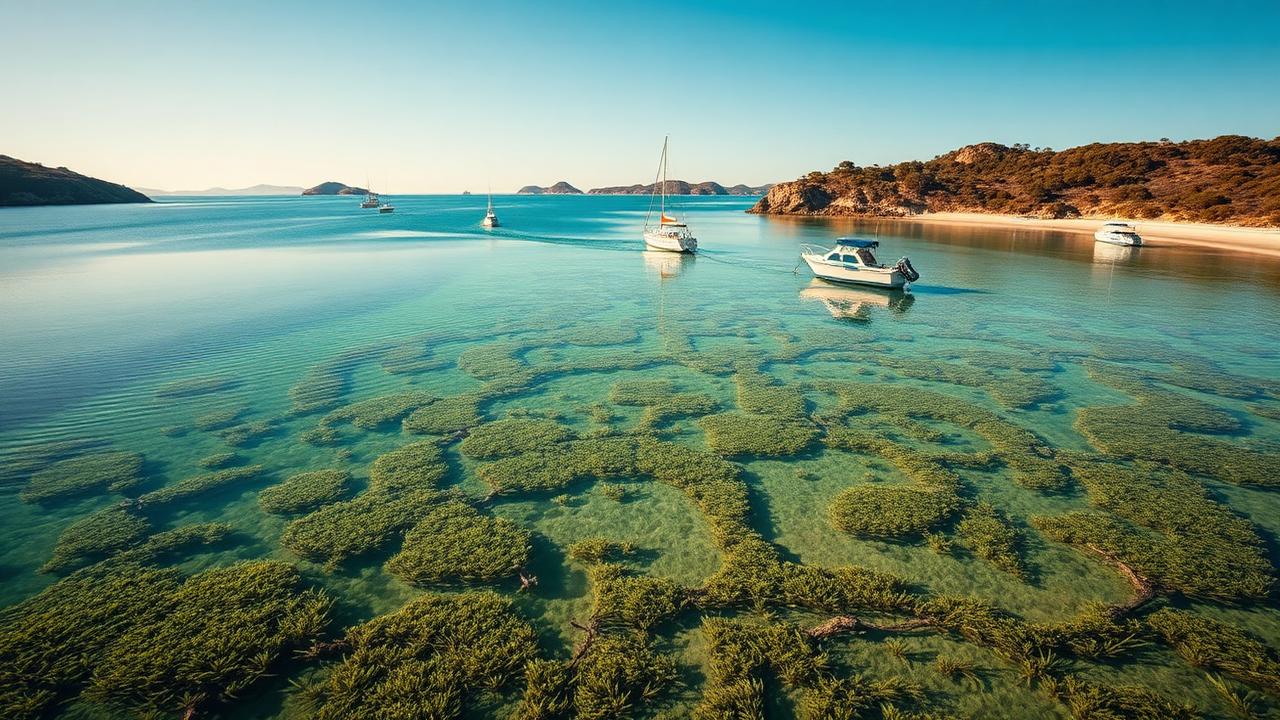
San Diego
The home of American long-range sportfishing. Inshore kelp beds hold calico bass and yellowtail all year, while summer brings bluefin tuna within range of overnight and day-and-a-half trips.
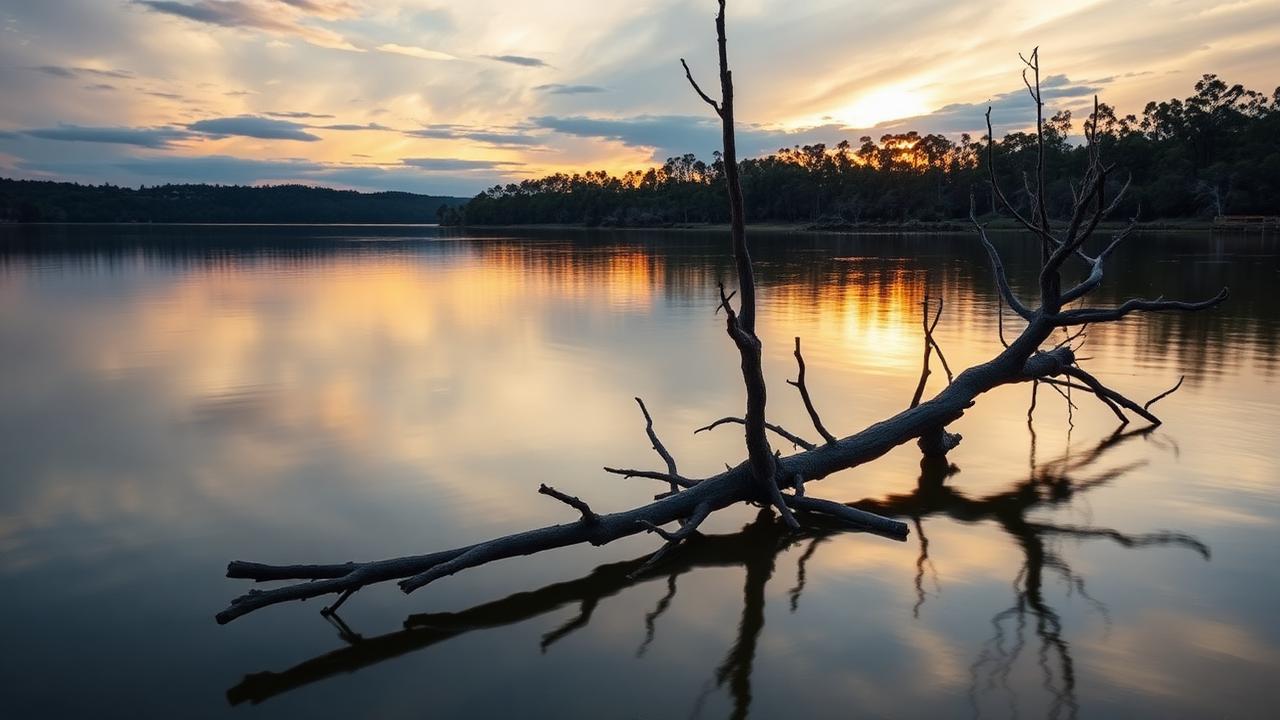
Lake Erie
The shallowest and most productive of the Great Lakes, and arguably the best walleye fishery in the world by sheer numbers. Smallmouth bass fishing on the eastern basin reefs is world-class in its own right.
Missouri River, Craig
A spring-creek-like tailwater at river scale, holding thousands of trout per mile in even, wadeable currents. Consistent flows and prolific insect hatches make it one of the most reliable trout fisheries in North America.
Green River, Flaming Gorge
Gin-clear water running through red rock canyon below Flaming Gorge Dam, where you can watch individual trout eat your fly. Extremely high fish densities in the upper section make it a benchmark sight-fishing river.
Lake Fork
The most productive trophy largemouth bass lake in Texas, holding a large share of the state's record fish among flooded timber, creek channels and hydrilla edges.
Canada
Campbell River
Long billed as the salmon capital of the world, sitting on tidal narrows that funnel migrating Pacific salmon past a small town on Vancouver Island's east coast.
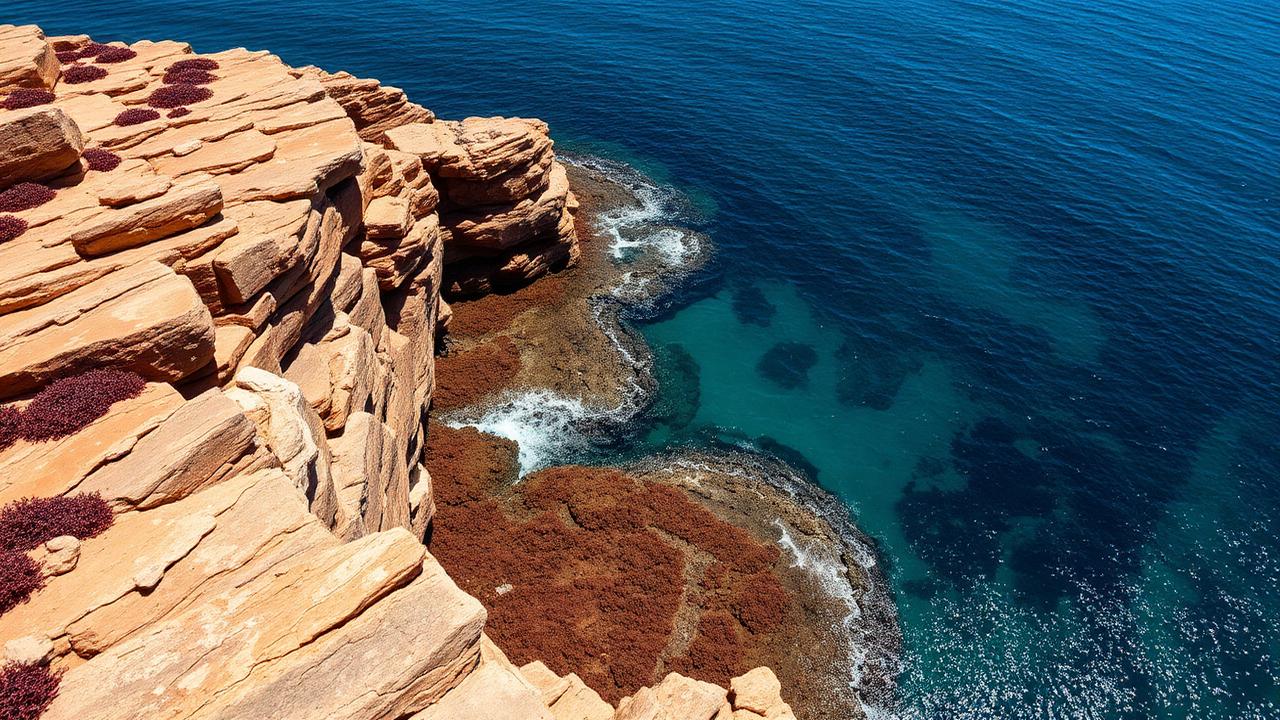
Haida Gwaii
An archipelago 100 kilometres off the BC mainland where migrating chinook stage along the outer headlands. Remote, weather-driven and consistently among the best salmon and halibut fishing in Canada.
Miramichi River
The most storied Atlantic salmon river in North America, fished with fly only and a strong catch-and-release culture. Spring also brings a substantial striped bass run into the estuary.
Lake of the Woods
More than 14,000 islands across a lake straddling the Ontario–Manitoba–Minnesota borders. Walleye are the staple, backed by outstanding smallmouth, big pike and a genuine trophy muskie fishery.
Nipigon River
The river that produced the world-record brook trout, running cold and deep between Lake Nipigon and Lake Superior. Coaster brook trout here grow far larger than the species does almost anywhere else.
Great Bear Lake
The largest lake entirely within Canada and the world's premier trophy lake trout fishery. Cold water keeps big trout shallow through the brief summer, making sight fishing over reefs possible.
Bay of Quinte
A long, sheltered bay famous for producing exceptionally large walleye in late autumn as fish move in from Lake Ontario, followed by one of Canada's best ice fisheries.
Gaspé Peninsula Rivers
Some of the clearest salmon rivers in the world, where you can see fish holding in the pools before you cast. Access is tightly managed, which keeps pressure low and fishing quality high.
New Zealand
Bay of Islands
New Zealand's most famous inshore fishery: clear water over sand and reef, snapper in the shallows, kingfish on the pins, and striped marlin over the canyons in summer.
Lake Taupō and the Tongariro River
The southern hemisphere's most famous trout fishery. Winter rainbows run the Tongariro in huge numbers, and the lake itself holds quality fish within reach of shore-based anglers.
Fiordland (Milford and Doubtful Sound)
Vertical granite walls dropping into deep, dark water. Blue cod are abundant on the outer coast and crayfish are taken in the fiords, all inside one of the world's great wilderness areas.
Kaikōura
A deep-water trench runs hard against the coast here, so trailer boats fish serious depths minutes from the ramp. One of the most productive small-boat fisheries in the country.
Rotorua Lakes
A cluster of volcanic lakes holding fast-growing wild trout. Shore anglers do well on winter evenings at stream mouths, and boats open up year-round jigging and trolling.
West Coast Whitebait Rivers
A wild, sparsely populated coastline of glacier-fed rivers. The spring whitebait season is a cultural institution, and the same river mouths hold big sea-run browns through summer.
The Coromandel
Rocky points, surf beaches and island reefs within a few hours of Auckland. The east coast beaches produce snapper and kingfish to shore anglers, and Mercury Bay is classic softbait water.
Stewart Island (Rakiura)
New Zealand's third island and its most untouched inshore fishery. Blue cod are thick on the reefs and the surrounding southern ocean holds trumpeter and groper in genuine wilderness.
United Kingdom
Cornwall
The tip of England reaching into the Atlantic. Lure fishing for bass around headlands is world class, and summer brings mackerel shoals, pollack on the reefs and shark fishing offshore.
Scottish Highlands Salmon Rivers
The birthplace of salmon fly fishing. Famous beats cost serious money in prime weeks, but sea trout fishing on the west coast and wild brown trout lochs remain accessible to anyone.
Norfolk Broads
A wetland of slow rivers and shallow lakes holding big pike and huge shoals of silver fish. Winter predator fishing from a drifting boat is the classic Broads experience.
Pembrokeshire Coast
Deep, clean Atlantic water against dramatic cliffs. Shore anglers take bass and wrasse on lures, and the offshore banks around the Smalls hold tope and porbeagle shark.
Causeway Coast
Dramatic basalt coastline with deep water close in. Heavy spinning for pollack off the rocks, bass from the surf beaches, and rough-ground boat fishing around Rathlin Island.
Isle of Skye and the Minch
Wild Hebridean fishing where common skate over 200 lb are a genuine possibility on charter boats, and shore anglers take pollack, codling and mackerel from loch-side rocks.
Ireland
Lough Corrib
Ireland's most storied wild brown trout water. The late-April mayfly hatch draws anglers from around the world, and dapping a natural mayfly to a cruising trout is fishing at its purest.
West Coast of Ireland (Clew Bay to Dingle)
Some of Europe's best and least-pressured sea fishing. Blue shark come within range of small boats in summer, and the surf beaches and rocky bays hold bass and big pollack.
River Shannon System
A vast, lightly fished coarse fishery running the length of the country. Specimen pike patrol the loughs, and bags of bream and roach come readily to simple feeder tactics.