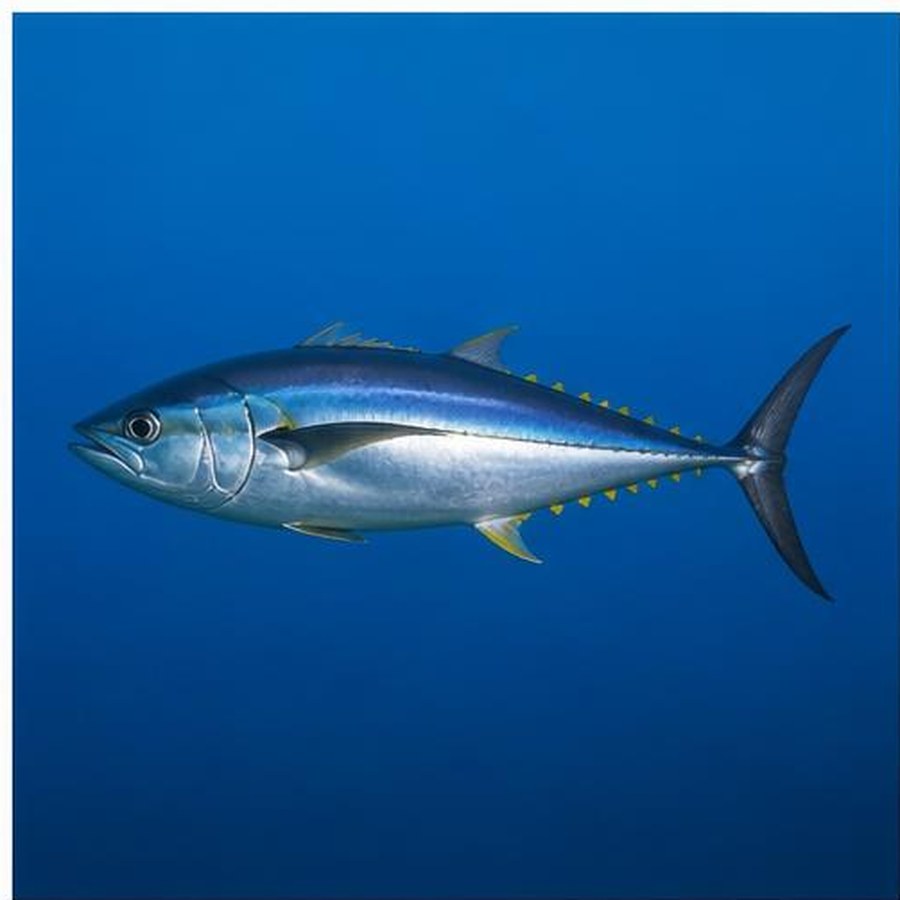
Overview
Longtails patrol headlands, bays and shallow inshore reefs chasing whitebait, hardyheads and small pilchards.
They are notoriously fussy — matching the bait size closely is usually the difference between refusals and hook-ups.
A hooked longtail runs long and deep, testing drag settings and knots on light gear.
Where to find them
- ▸Surface bust-ups inside 5 km of the coast in summer.
- ▸Headlands and inshore reef holding bait.
- ▸Bay entrances with strong tidal flow.
Tackle
- ▸Rod: 8' spin rated 6–10 kg with a fast taper.
- ▸Line: 30–50 lb braid with 30–50 lb fluorocarbon leader.
- ▸Lures: 20–40 g slugs, small stickbaits and soft plastics matched to bait size.
Tips from the water
- ▸Cast ahead of the school's direction, never into the middle of it.
- ▸Retrieve at maximum speed — longtails rarely take a slow lure.
- ▸Bleed, ice and eat fresh; longtail is excellent raw when handled properly.
Regulations
Bag limits apply; recreational-only species in some jurisdictions.