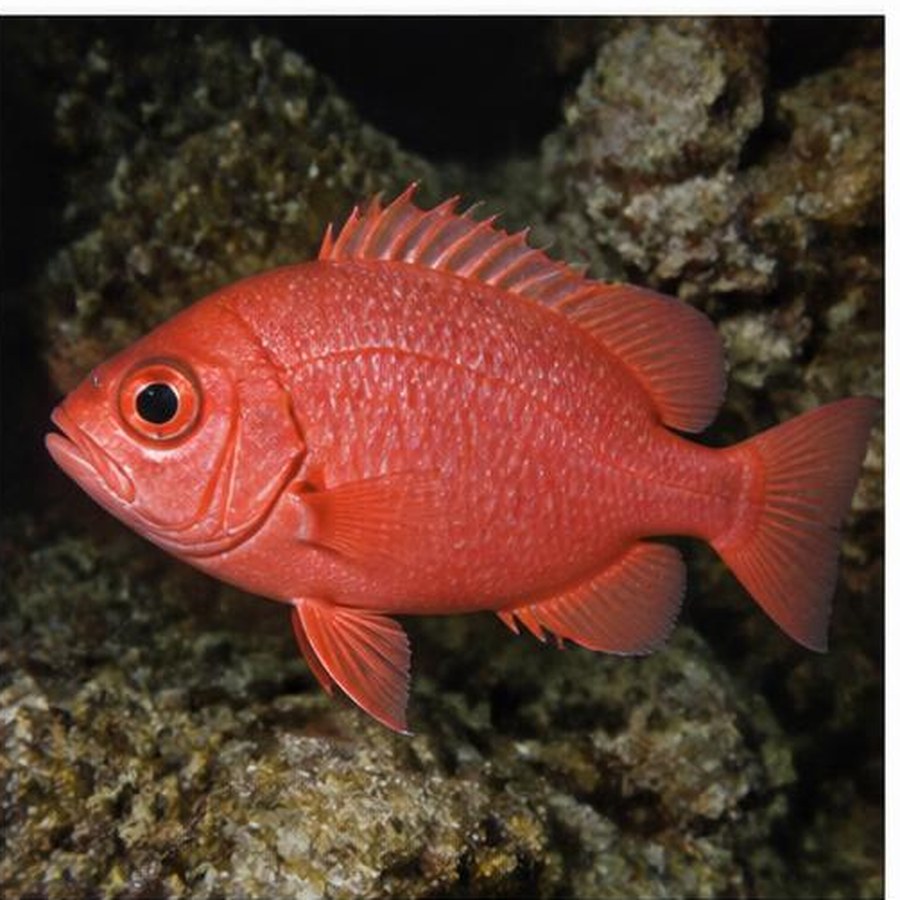
Nannygai habitat in Australia
← Species directory

Nannygai

Lutjanus malabaricus · also known as Saddletail Snapper, Large-mouth Nannygai

A brilliant red deep-water snapper that schools over offshore lumps and eats as well as it looks.

OffshoreQueenslandNorthern TerritoryWestern Australia

Overview

Nannygai school in numbers over isolated deep structure and are the backbone of offshore bottom fishing across northern Australia.

They are long-lived and slow to replace, so working several marks rather than hammering one is the sustainable approach.

Fish from 40 m and deeper almost always need a release weight to survive.

Where to find them

  • Isolated lumps and coral heads in 40–100 m.
  • Deep gutters between reef systems.
  • Wrecks and shoal edges well offshore.
  • Drop-offs where the bottom falls away sharply.

Tackle

  • Rod: heavy 15–24 kg boat rod or PE5 jig stick.
  • Reel: 8000 spin or 300-size overhead.
  • Line: 50–80 lb braid.
  • Terminal: heavy paternoster with 8/0 circles and 24–32 oz of lead.

Tips from the water

  • Fish the slack water — heavy current makes depth impossible to hold.
  • Use a release weight for every fish you do not keep.
  • Move between marks rather than emptying a single school.

Regulations

Included in reef fish bag limits in QLD and the NT. Barotrauma management is essential.

Where to target nannygai

Locations in our directory whose own species list includes nannygai.

Fish that share this water

Species you'll commonly find on the same offshore ground.

Tools for this species

Find the bite

Where to fish for nannygai right now

The Local Knowledge Fish Finder scores real Australian spots against live tide, moon phase, wind, water temperature and season, then ranks the best places to start today — with marine charts and depth contours built in.

  • Ranked pins for nannygai near you
  • Depth contours and seamarks on the chart
  • Live tide, moon, wind and water temp
  • Free for 7 days, then $7.99/month
Free newsletter

Get the free weekly bite report

Tides, moon phase and the species firing around Australia this week — plus early access to new spots and Pro offers. Free, unsubscribe any time.