
Overview
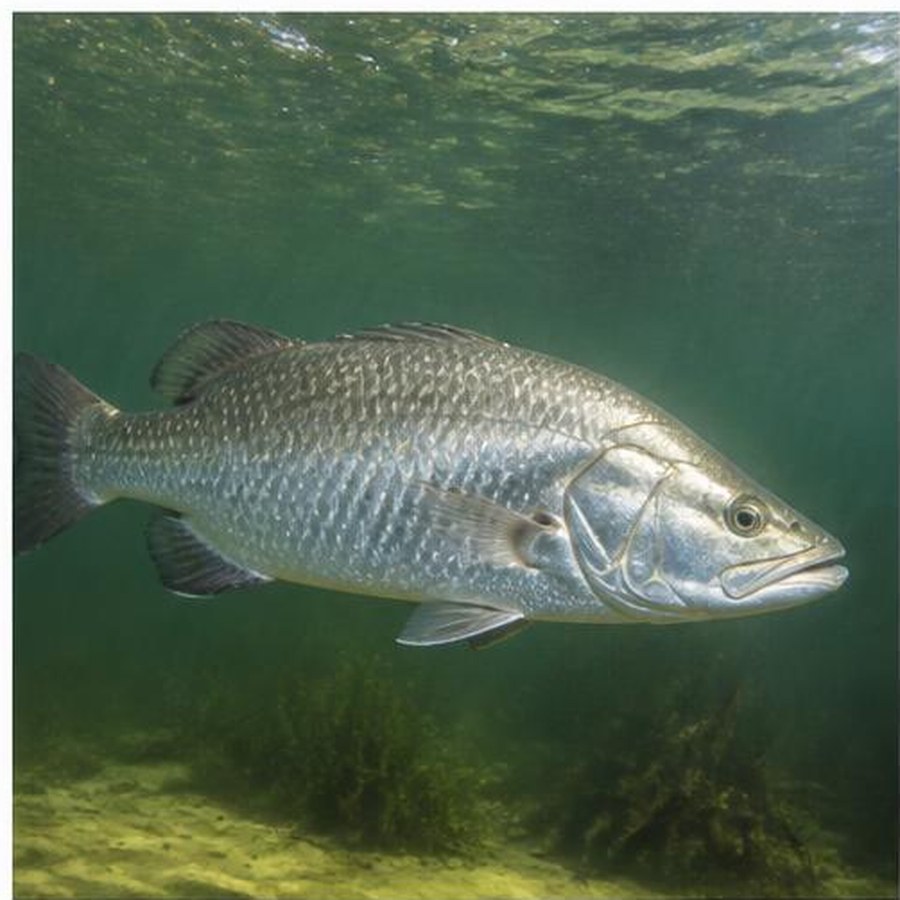
Barramundi are protandrous hermaphrodites: they mature as males and the largest fish are almost always females. That single fact shapes how anglers treat metre-plus barra — big fish are breeding females and are usually released.
They are ambush feeders that sit tight against structure and use current to bring food to them. Rock bars, snag piles, drain mouths and creek junctions all create the pressure edges barra hunt along, and reading that water matters more than the lure you tie on.
Water temperature drives their metabolism. Below roughly 20°C they become sluggish and hard to tempt, which is why the pre-wet build-up and the post-wet run-off produce the most consistent fishing of the year.
Where to find them
- ▸Tidal river rock bars during the last two hours of the run-out tide.
- ▸Mangrove drain mouths as the water pushes bait out on the falling tide.
- ▸Floodplain billabongs and lagoons during the dry season once water levels drop.
- ▸Snag country in the upper reaches after fresh water pushes bait downstream.
Tackle
- ▸Rod: 6'–7' baitcaster or spin rated 6–10 kg for estuary work; 8–15 kg in heavy snags.
- ▸Line: 30–50 lb braid with 40–80 lb leader — barra gill rakers and structure chew through light leader.
- ▸Lures: 90–120 mm suspending hard-bodies, 4–7" paddle-tail plastics on 1/2–1 oz jig heads, and surface walkers at first light.
Tips from the water
- ▸Cast past the structure and swim the lure back through the strike zone rather than dropping it on the fish's head.
- ▸Pause your retrieve for two to three seconds beside a snag — most strikes come on the pause.
- ▸Upgrade split rings and trebles on factory lures; a 90 cm barra will straighten stock hardware.
- ▸Support your fish horizontally for photos and revive it head-first into the current before release.
Regulations
Minimum and maximum legal lengths and closed seasons vary between the NT, QLD and WA. Always check the current rules with your state fisheries department before keeping a fish.